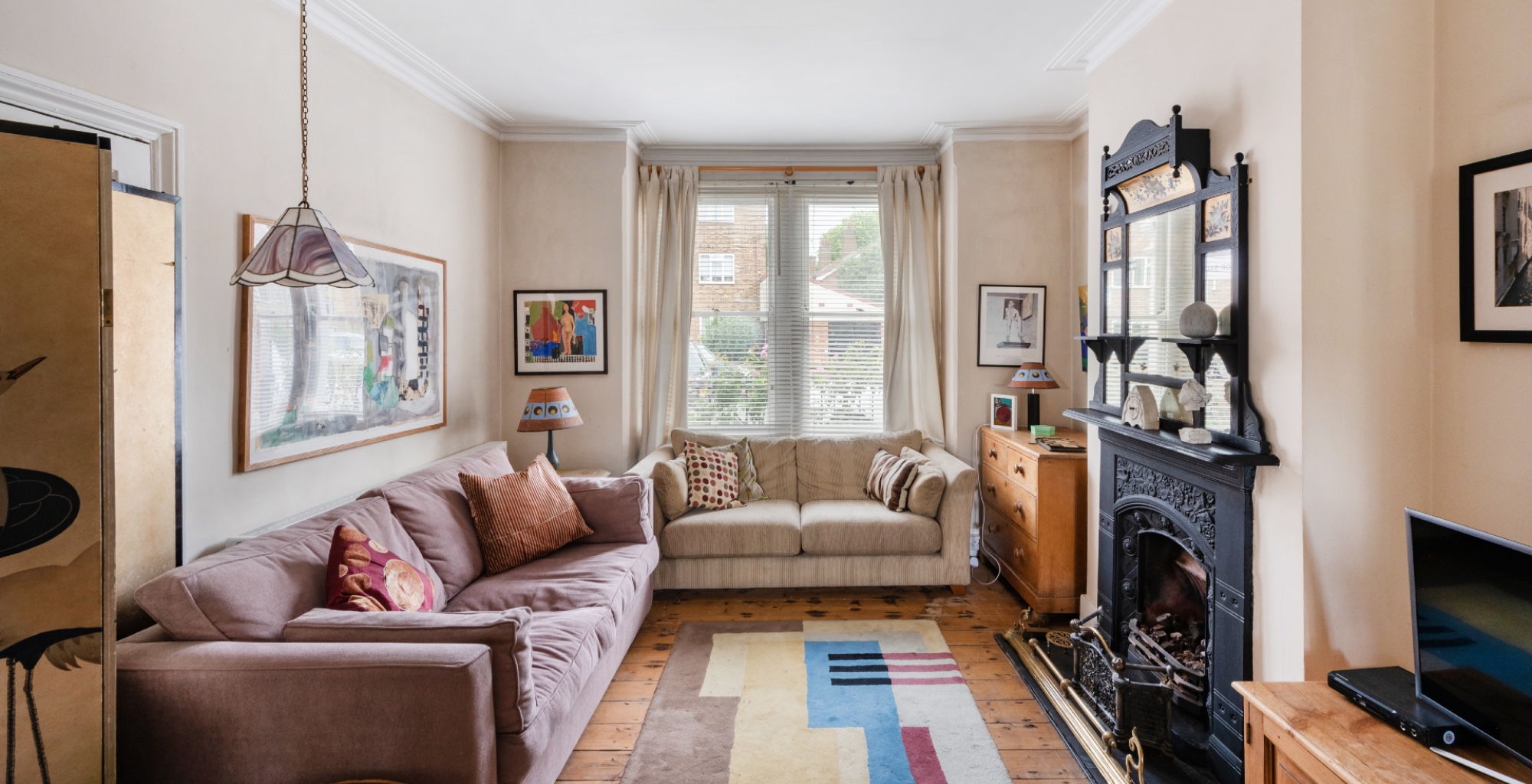
The process of selling a probate property is one we regularly assist with across Chiswick, Hammersmith and Shepherd’s Bush.
As long-standing, local estate agents, we understand that probate sales often involve sensitive family circumstances, complex timescales and careful pricing considerations.
Navigating the overall probate process can be challenging and managing the sale of a probate property alongside other elements may seem overwhelming.
In this blog, we highlight the key points to consider when selling a probate property and the appropriate steps to take, to provide clarity and assurance.
You may also find our West London Property News updates helpful for understanding current buyer demand and pricing trends.
Our role is to provide clear guidance at each stage, helping executors move forward with confidence.
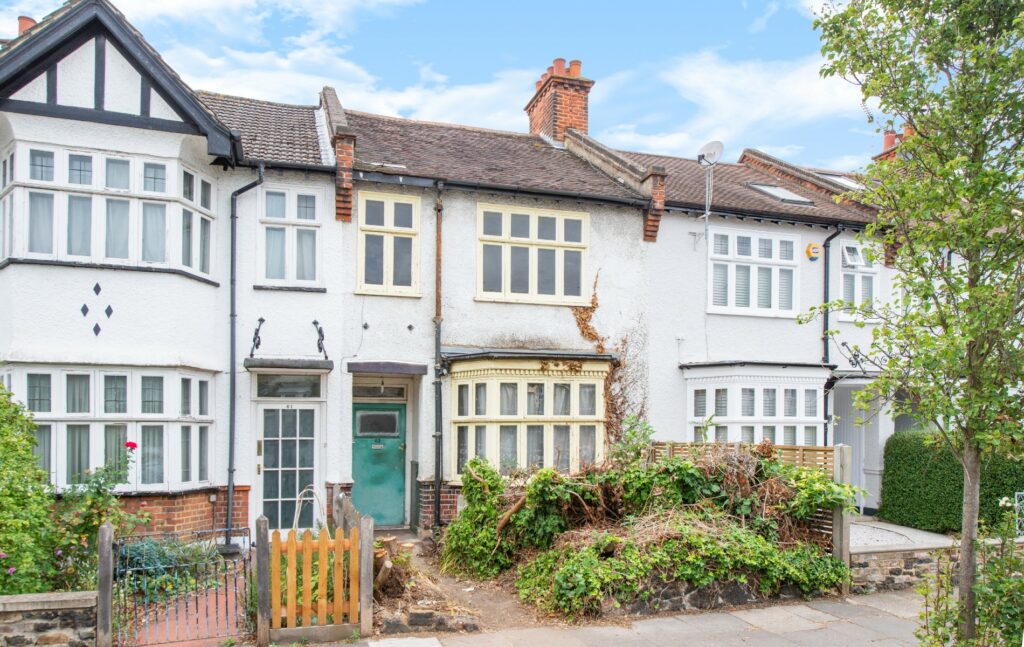
What does probate mean?
Probate is the entire process of administering a person’s estate after they have passed away.
If there is a will in place then the named executors will apply for probate. In the instance that there is not a will then the closest living relative would apply.
The government advises that executors should avoid distributing assets or completing a property sale until probate has been granted. Whilst you can prepare for a sale and even market the property, you cannot legally exchange contracts or complete until the Grant of Probate has been issued.
What is an executor?
An executor is a person named in a will who becomes responsible for dealing with the deceased individual’s estate.
An estate is everything the individual owned, including money, property and possessions.
Being an executor can involve a lot of work and responsibility, including paying off any debts, outstanding bills and liabilities, valuing the assets of the estate and paying any inheritance tax due.
If you decide to sell a probate property, you become responsible for organising the sale.
What is a probate sale?
A probate sale is when an individual dies and their home needs to be sold.
If you are the executor named in the individual’s will then you will be granted legal rights to sell the property.
How does the probate process work?
If you are a seller or a buyer of a probate property it is useful to know how the probate process works.
Whoever is named as an executor in the will of the deceased can apply for a legal document called a ‘Grant of Probate’.
If the deceased person did not leave a will the process is instead known as obtaining a grant of letters of administration (similar to probate).
If the deceased person owned property jointly with others, then ownership automatically passes to them so probate may not be needed for those assets.
Executors and administrators can apply for probate themselves or instruct a probate solicitor to conduct the process. Probate can be applied for either online or by postal application to a Probate Registry.
Before probate can be granted you will need to submit an accurate valuation of the estate’s assets, including any property, to HMRC.
Many executors choose to obtain a formal written market appraisal from a reputable estate agent to ensure the figure reflects current market conditions and reduces the risk of challenge.
Once you have all the necessary information and supporting documents you can apply for a Grant of Probate.
What is a Grant of Probate?
A Grant of Probate is a legal document that once obtained confirms that the executors of the will have the legal right to deal with the deceased’s property, money and possessions.
What documents do I need to apply for a Grant of Probate?
- PA4P probate application form
- The death certificate
- The original copy of their will
- A completed inheritance tax form
For detailed guidance, visit the official Government probate guidance online.
What are the steps for selling a probate property?
There are several steps involved with selling a probate property which we have outlined below.
Steps to selling a probate property in West London
Registering the individual’s death
As part of the probate application process you will need to provide a death certificate and will also need the original copy of their will.
Get a market appraisal on the property
The appraisal of a probate property is important as it is usually one of the most highly valued assets in any estate.
Gaining a formal written valuation from an estate agent can make the elements of the process that involve the HMRC regarding inheritance tax (IHT) more straightforward.
Whilst an executor can value a property themselves for the purposes of a probate, should the HMRC deem the valuation to be too low they will challenge the figures and this will likely cause delays.
Check the title and deeds for the property
Title deeds are the legal documents confirming who owns the property.
This is an important step to take so that you are aware of any restrictions on the land or the property itself. You can find these electronically through the Land Registry on the GOV.UK website.
If not, you’ll need to find the paper title deeds which could be kept by the deceased’s Solicitor.
Pay Inheritance Tax
Before probate is granted the inheritance tax on the late person’s estate must be paid.
Apply for a Grant of Probate
You can apply for probate yourself however forms can be time consuming and complicated.
As the estate agent, Horton and Garton recommend all potential clients to use the services of a trusted solicitor who has relevant experience and a full understanding of the probate process.
Inheritance Tax calculations can be complex, and it is important to complete and submit the application correctly. Inheritance Tax is payable within six months from the date of death, after which interest starts accruing on the outstanding tax. Delays in the Probate process can cause cash flow problems in funding this tax.
There is a high error rate in the forms submitted to HMRC. Not providing all the information that is required opens a possible HMRC enquiry.
In this circumstance the law applies to you in the same way that it applies to a solicitor acting on behalf of an estate – failure to comply with the law and your duties under it can have serious consequences.
How long does it take to sell a house through probate?
The length of time it will take probate to be progressed varies across different local authorities and due to the complexity of the estate.
Before completing on a sale, you will need a Grant of Probate in place which can take many months so it is important that you are realistic about timescales.
Before Probate has been granted you can legally have your property valued and put on the market.
Once the probate is granted the sale of the property can take place relatively swiftly, at a pace of a regular property sale.
Can you market a property before obtaining a Grant of Probate?
Acquiring a Grant of Probate can take several weeks, although processing times vary and delays are not uncommon.
In more complex estates, or where HMRC queries arise, it can take several months. It is sensible to plan conservatively when managing buyer expectations.
During this time period, you can legally appoint an estate agent, list and market the property for sale, conduct viewings, agree to a sale price with a prospective buyer and conduct other preparatory conveyance work.
You have no legal authority to exchange contracts and complete a sale until you have Grant of Probate.
If you decide to put the property on the market before you have the Grant of Probate, ensure that you have told prospective buyers of the situation and that you cannot exchange or complete on the property until you have been granted probate, as some buyers may not be willing to wait if they are in a chain or need to move quickly.
Steps you can take while waiting for probate
Although exchange and completion cannot take place until the Grant of Probate has been issued, there are several productive steps executors can take in the meantime:
- Arrange formal probate valuations for submission to HMRC
- Obtain a market appraisal to understand likely sale value
- Instruct a solicitor and begin preparing initial conveyancing documentation
- Secure appropriate unoccupied property insurance
- Clear and prepare the property for marketing
- Commission an Energy Performance Certificate if one is not already valid
Taking these steps early can significantly reduce the time between the Grant being issued and the eventual sale completing.
Can you sell a house before probate?
No, you cannot legally exchange contracts or complete on the property before the Grant of Probate is obtained and provided to your solicitor.
Can you sell a house after probate?
Yes, once you have obtained the Grant of Probate you can exchange and complete the sale of the property.
Common challenges when selling a probate property
From our experience across West London, probate sales often present practical and emotional complexities beyond a standard transaction.
Common challenges include:
- Disagreement between beneficiaries regarding pricing or timing
- Delays caused by incomplete inheritance tax submissions
- Properties that have been unoccupied for extended periods and require attention
- Buyers withdrawing due to uncertainty around probate timescales
Early agreement between beneficiaries on pricing strategy and clear communication with buyers are key to avoiding unnecessary delays.
Common probate sale pitfalls
Certain avoidable mistakes can slow the process or create additional risk:
Inaccurate probate valuations
If a property is significantly undervalued for probate purposes and later sells for materially more, HMRC may review the original submission.
Overpricing due to sentiment
Executors can sometimes be influenced by long-term ownership history rather than current market evidence. Realistic pricing based on comparable local sales is essential.
Insurance oversight
Standard home insurance policies may become invalid if a property is left vacant for more than 30 or 60 days without notification.
Failure to evidence best value
Executors have a fiduciary duty to act in the best interests of the estate. Achieving an evidence-based market price is not only commercial best practice but a legal responsibility.
Addressing these areas proactively reduces both delay and risk.
How to prepare a probate property for sale
Clean and Declutter
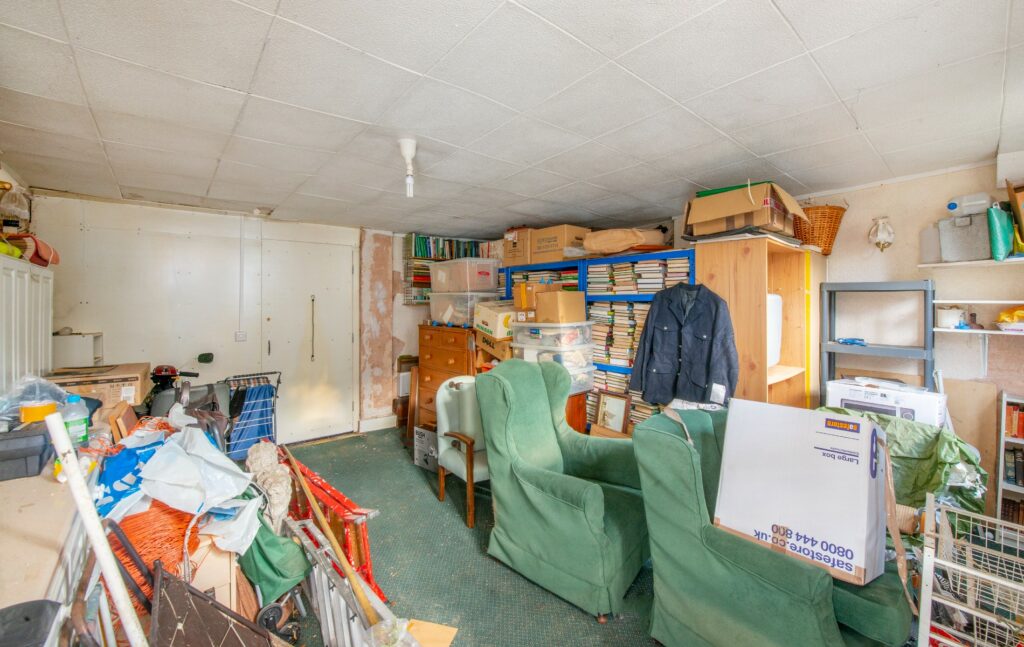
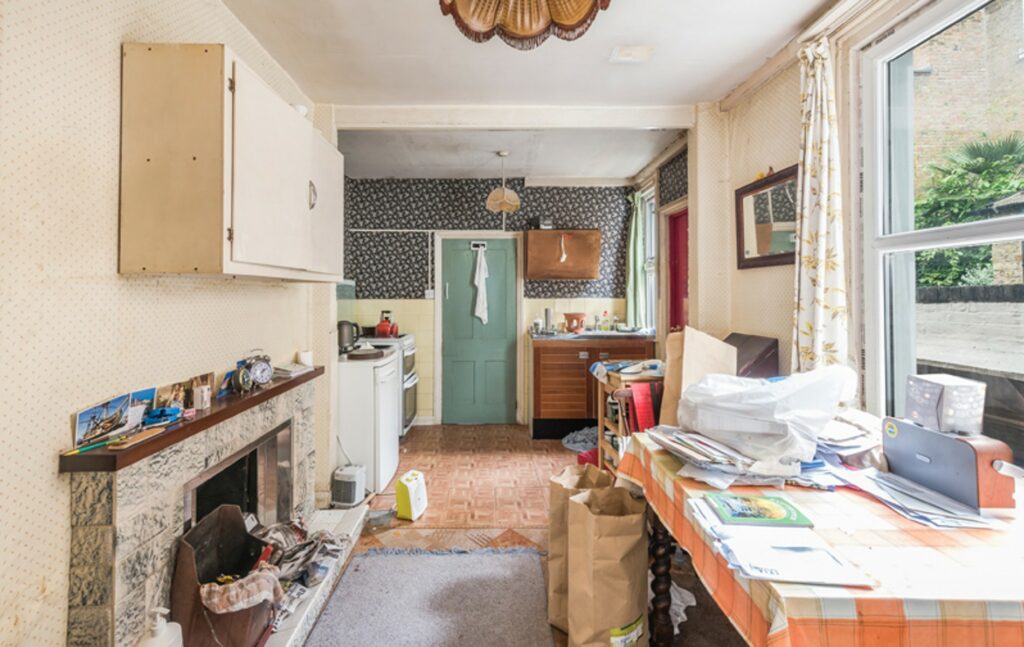
It is the executor’s responsibility to remove all furniture and belongings in the property before it is sold. This can be a time-consuming job so be sure to leave yourself enough time to complete it.
An estate agent’s advice will usually be to clear any personal fixtures, fittings and remove all contents from the property including the loft spaces, cellars, garages, and garden sheds.
In some cases it might be appropriate to arrange for a professional clean (especially the windows).
Garden and Exterior
If there is a garden, make sure that access to all outside spaces is possible and that any overgrown garden is cut back.
First impressions are crucial so ensure any rubbish or items are removed from the back and front garden.
Secure the property
From a security perspective leave some timer lights at the property, change the locks, and leave curtains in the front rooms.
Executors should also confirm that appropriate unoccupied property insurance is in place. Standard home insurance policies often become invalid if a property is left empty for more than 30 or 60 days.
For the discreet seller, it is not always necessary for a ‘For Sale’ board outside the property.
Property Notes
If possible, provide the agent with some property notes, though these might be sparse given the circumstances, any information beyond the basics will likely prove useful to a prospective buyer.
Before marketing begins, your agent will also confirm any standard sale requirements such as an Energy Performance Certificate (EPC). If a valid EPC is already in place it can be used, otherwise a new certificate will need to be commissioned.
Important note
The information provided above is intended as general guidance. Probate, inheritance tax and capital gains tax can vary depending on individual circumstances.
Executors should seek independent legal and tax advice to ensure full compliance with current HMRC and government requirements.
As estate agents, our role is to advise on valuation, marketing strategy and achieving the best possible outcome for the property sale.
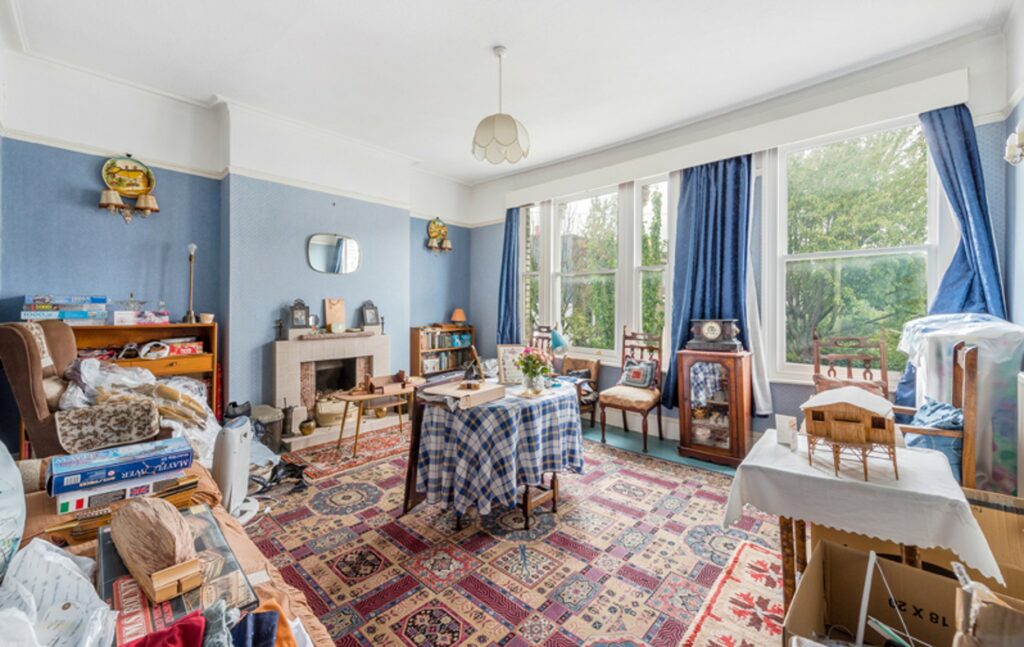
Selling a probate property with Horton and Garton
Working closely with families and executors during what can be a difficult time, we understand that probate sales require discretion, clear communication and realistic market advice.
As members of Propertymark and participants in the Property Ombudsman scheme, we operate to recognised professional standards and provide transparent guidance throughout the process.
If you’d like to discuss a probate property sale with our team please do get in touch, without obligation on 020 8819 0510.