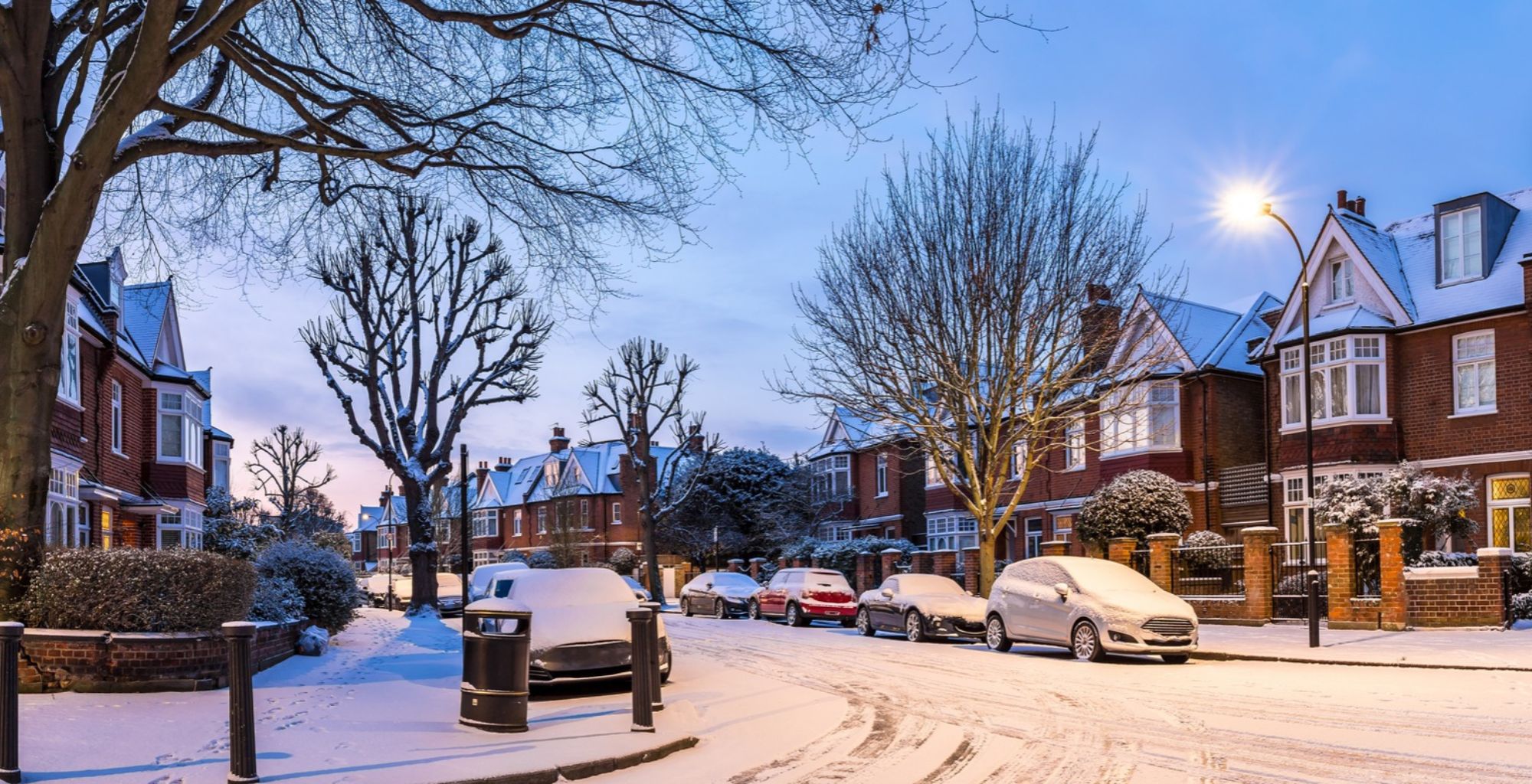
As we approach the colder months of the year it seemed prudent to prepare a landlord checklist covering winter maintenance for rental properties.
West London winters are rarely dramatic, but they are long, damp and hard on older buildings.
Much of the rental stock around our patch is Victorian and Edwardian, from period terraces to converted flats and mansion blocks, with plenty of character and a habit of revealing problems at the least convenient moment.
A boiler that gives up on a January evening, a pipe that splits in a cold snap or a patch of mould that spreads over Christmas will always cost more to fix in a hurry than to prevent in November.
This checklist covers what to look at before the worst of the weather arrives, what the law already requires of you and the changes worth keeping an eye on this winter.
Heating and hot water
Heating is most certainly the number one factor for most winter call outs, so if you’re hoping to be preventative in your maintenance efforts this is a good place to start.
Check your gas safety certificate date
An annual gas safety check by a Gas Safe registered engineer is a legal requirement, and tenants must receive a copy. If yours falls due over the winter, book it now while engineers still have availability.
Book a boiler service
A gas safety check is not the same as a service. A service before the cold sets in is the best way to catch worn parts before they fail.
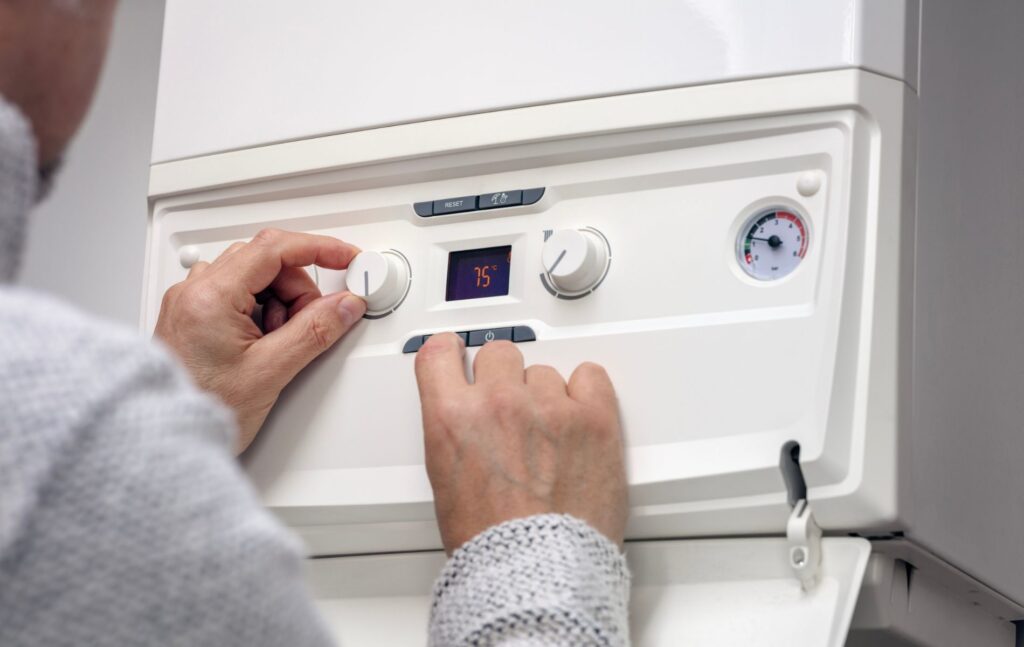
Bleed the radiators and check the pressure
Cold patches at the top of a radiator usually mean trapped air. Low boiler pressure is one of the most common reasons heating stops working.
Test the controls
Make sure the thermostat, timer and any smart controls work and that your tenants know how to use them.
Keep a trusted engineer on file. Know who you will call before you need to call them.
Preparing the plumbing system | Winter Maintenance
How to prevent frozen and burst pipes
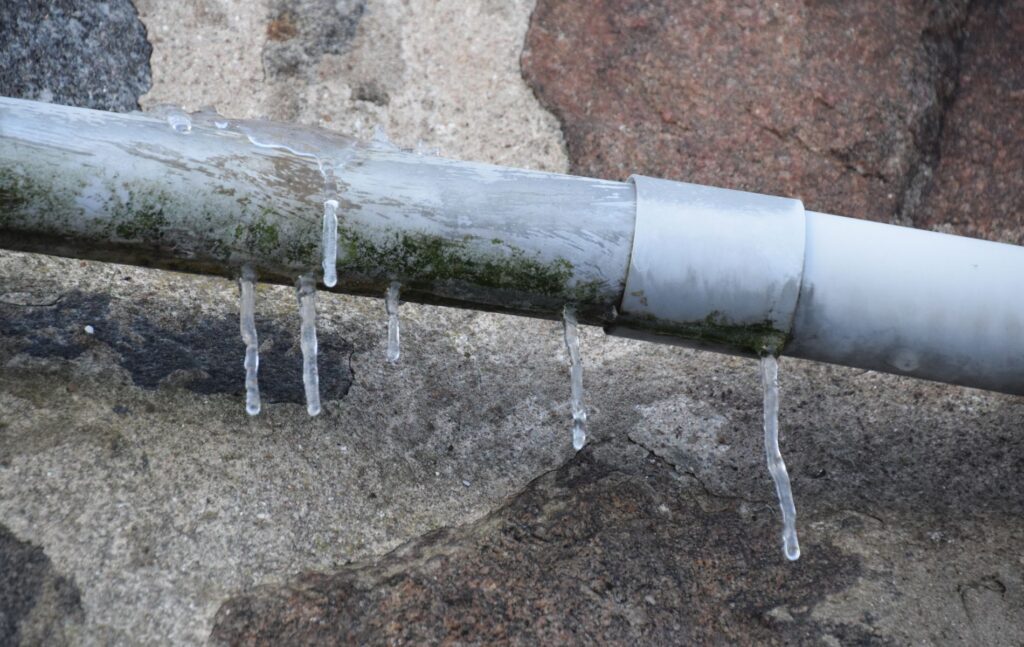
A burst pipe can do thousands of pounds of damage in a few hours, and older properties often have pipework in cold, hidden spaces.
Start by insulating any exposed pipes (known as lagging) in lofts, under floors, along external walls and in outbuildings or garages, then isolate and drain outside taps and fit them with an insulated cover.
Make sure your tenants know where the stopcock is – label it clearly and check that it turns.
In a flat conversion, find out whether it serves your unit alone or the whole building. If tenants are going away over the holidays, ask them to keep the heating on low rather than switching it off completely.
Damp, mould and ventilation
Damp and mould are the issues most likely to lead to complaints, and the ones the law is paying closest attention to.
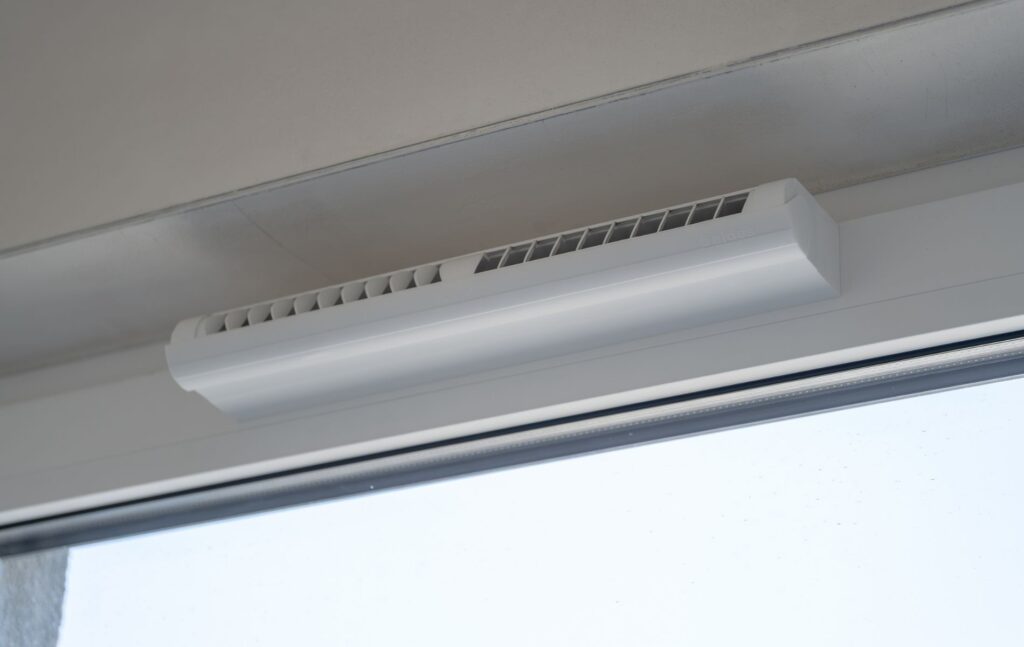
It’s sensible to start with the ventilation of the property as that is one of the quickest ways that damp and mould can form. Test the extractor fans in kitchens and bathrooms and replace any that are weak or noisy, then check that window trickle vents are clear and open.
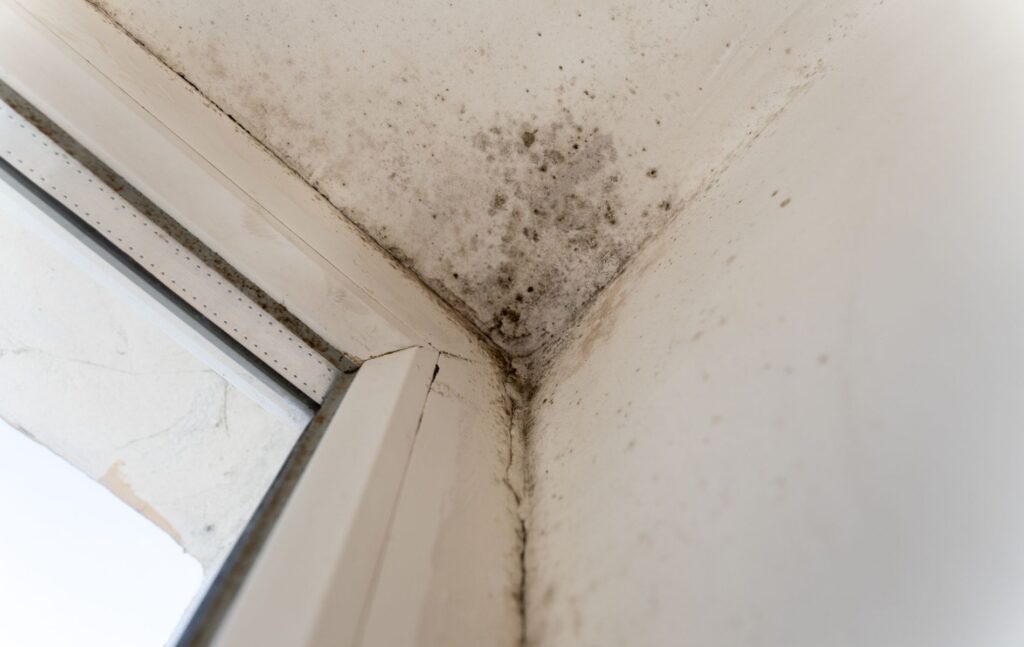
Next, look for where any moisture is coming from, including any slow leaks, failed sealant around baths and showers, blocked gutters soaking an external wall or condensation pooling on window frames.
Persistent damp usually has a building cause as well as a lifestyle one, so it pays to rule out the fabric of the property before anything else.
It also helps to share practical guidance with your tenants on ventilation, drying laundry and keeping the heating at a steady level. Frame any information or guidance given as help rather than blame, and act quickly when a problem is reported.
Rules and regulations you should be aware of
Under the Homes (Fitness for Human Habitation) Act 2018, rented homes must already be free of hazards that make them unfit to live in, and serious damp and mould count.
As a landlord it is also worth noting that the rules and regulations around damp and mould are tightening.
Awaab’s Law, named after two year old Awaab Ishak, has applied to social housing since October 2025.
It sets strict deadlines for landlords to investigate and fix damp, mould and other dangerous hazards.
The Renters’ Rights Act 2025 gives the government the power to extend it to private landlords, and a consultation on how and when that should happen runs until 18 December 2026.
The government has said 2027 is the earliest it could take effect, and the consultation suggests it may be phased in over the years that follow.
Once it applies, its requirements will be written into tenancy agreements as an implied term. Even before then, a clear record of every report and how quickly you responded is the best protection you can have.
Winter maintenance for the outside of the property
The roof, gutters, windows and doors all need to be considered at this time of year as the outside of a building takes the brunt of winter, and small defects can quickly turn into internal leaks, so it deserves attention as part of your winter maintenance.
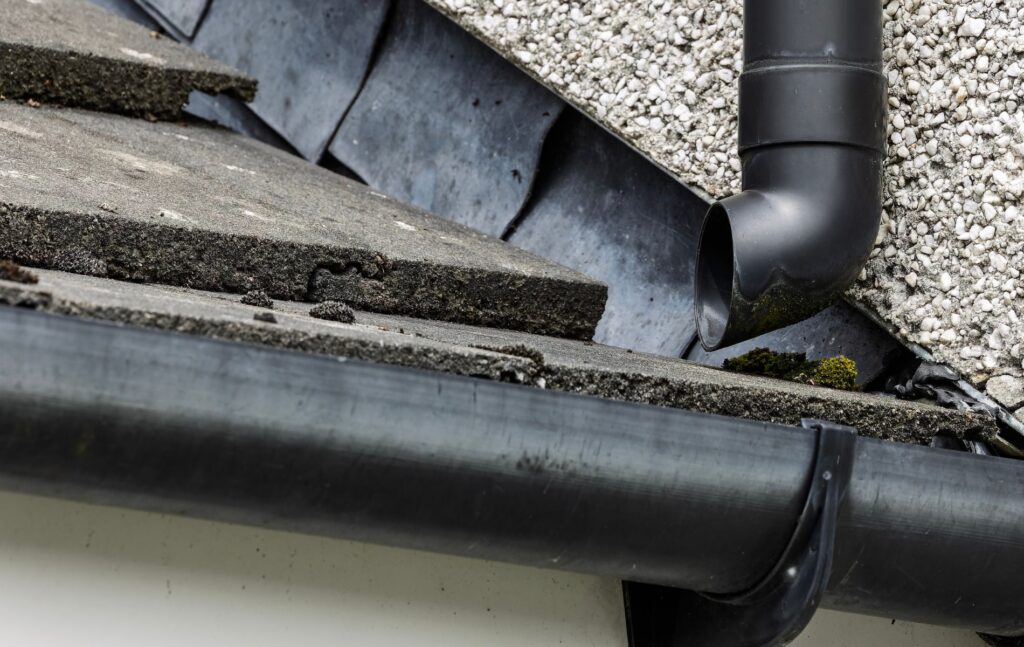
It’s sensible to clear gutters and downpipes once the leaves have fallen, which on the tree lined streets of Chiswick, Hammersmith and Shepherd’s Bush is a likely occurance.
Check the roof for slipped or missing slates, damaged flashing and loose chimney pots. A roofer with a camera pole or drone can do this without the cost of scaffolding.
At ground level, make sure paths and steps are safe, because wet leaves, loose paving and poor lighting are a trip hazard for tenants and visitors alike. Trim any overhanging branches before winter storms bring them down.
Draughts make a home harder and more expensive to heat, which matters to tenants paying the bills so it is prudent to check the seals and draught proofing on windows and external doors.
Inspect sash windows for broken cords, rattling frames and rot in the sills. Draught proofing strips can transform an old sash without changing its look. Finally, make sure every window that should lock does lock, and that no locks have been painted shut.
Winter safety checklist: alarms and electrics
Winter means more heating, more lighting and more time indoors, so this is a good moment to check the essentials.
What the law requires
- Fit a smoke alarm on every storey used as living accommodation.
- Fit a carbon monoxide alarm in every room with a fixed combustion appliance, such as a boiler, gas fire or wood burner. Gas cookers are exempt.
- Test all alarms on the first day of every new tenancy.
- Repair or replace any faulty alarm as soon as a tenant reports it.
- Check your EICR date. An Electrical Installation Condition Report is required at least every five years. Tenants must get a copy within 28 days of the inspection.
Good practice
- Ask tenants to test alarms monthly and to tell you straight away if one fails.
- Check any heaters or appliances you supply for wear, damage or frayed cables. Regular portable appliance testing (PAT) is a sensible precaution.
- Remind tenants not to overload sockets with extension leads and plug in heaters, which is a common winter fire risk.
Make it easy for tenants to report problems
The sooner you hear about a problem, the cheaper and simpler it usually is to fix, so make it as easy as possible for tenants to tell you. Give them a clear emergency contact and an out of hours number for heating failures, leaks and loss of power, so that nobody is left waiting until Monday morning.
When a report comes in, respond quickly and keep a record of every report, visit and repair. Good records protect you as well as your tenants, especially if a dispute arises later.
If you need access to inspect or carry out work, plan ahead and give at least 24 hours’ written notice.
With tenancies now running on a periodic basis, the relationship you build with good tenants matters more than ever. Responsive maintenance is one of the simplest ways to keep tenants happy and keep them for longer.
Your winter maintenance checklist at a glance
Whether you use your own trusted tradespeople or have a managing agent handle it for you, make sure each of these is covered before the cold sets in:
- Gas safety certificate in date and boiler serviced
- Heating tested and working in every room
- Exposed pipes lagged and outside taps isolated
- Stopcock located and labelled
- Extractor fans working and no signs of leaks or damp
- Gutters and downpipes cleared
- Roof, flashing and chimney checked
- Paths and steps safe
- Window and door draught proofing checked
- Smoke and carbon monoxide alarms fitted and tested
For a year round guide to keeping your rental in good order, read our guide to common rental property maintenance issues.
How Horton and Garton can help
Our lettings and property management team looks after homes across West London all year round, with a network of trusted local tradespeople who know older properties inside out.
If you would like help preparing your rental for winter, or want us to take maintenance off your hands entirely, get in touch with the team.