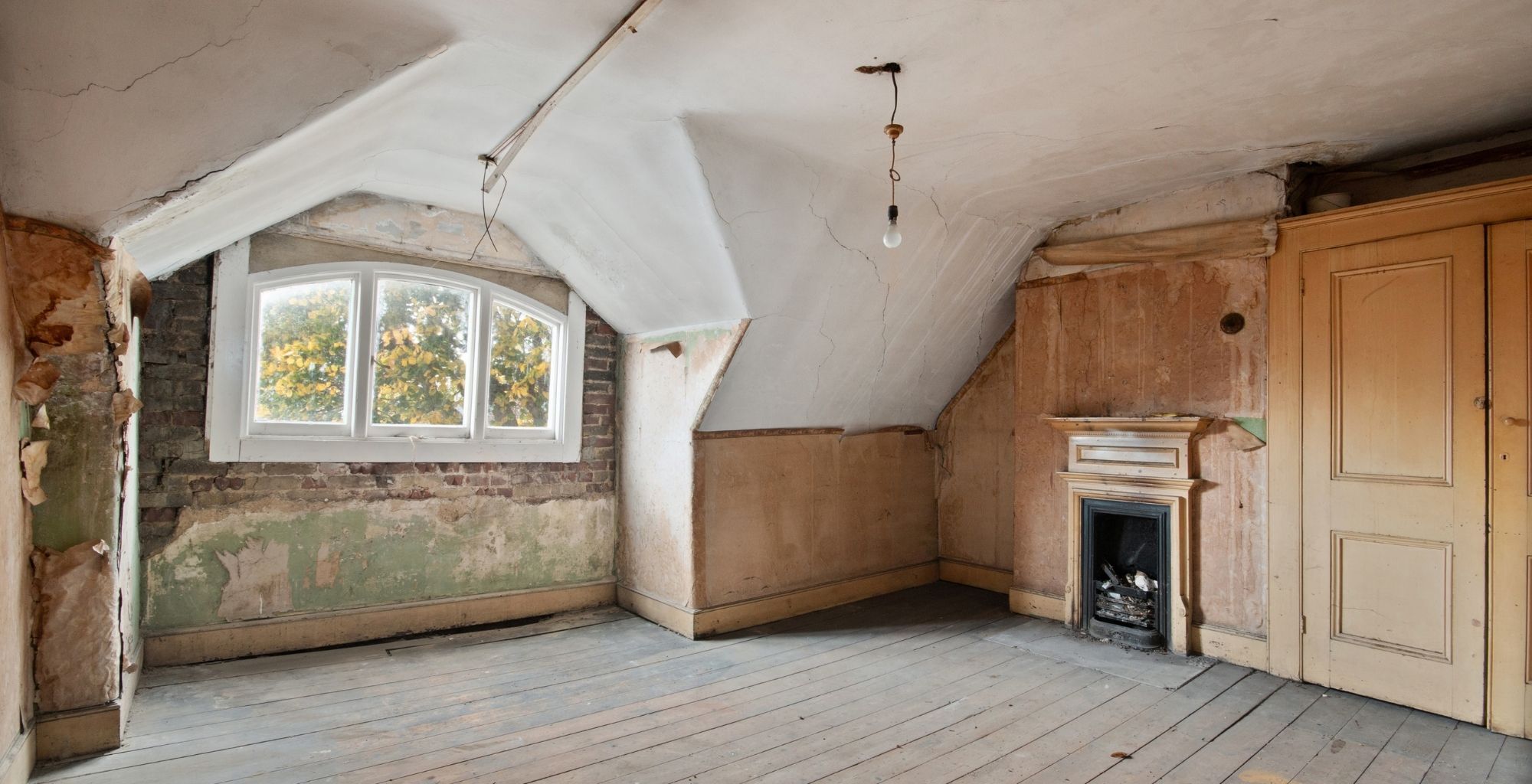
From realistic timelines and due diligence to financing and how to strengthen your offer, buying a probate property differs in several practical ways from a standard purchase.
Understanding those differences early on helps buyers move with confidence and avoid the surprises that can derail a sale.
For buyers, they can offer real opportunity – period houses with character, established gardens and homes that rarely come to market through other routes.
The process of buying a probate property can also come with a few extra layers compared with a standard purchase.
In this blog, we set out what a probate sale is, how the process works, what to look out for and how to position yourself as the buyer an executor will want to work with.
Probate properties make up a meaningful share of the West London market as many family homes have been held for decades.
What is a probate property
A probate property is a home being sold as part of administering the estate of someone who has passed away.
The sale is handled by the executors named in the will, or where there is no will, by administrators appointed through letters of administration.
Until a Grant of Probate or letters of administration are issued, the executors do not have the legal authority to complete a sale. This single fact shapes much of what follows.
For local context on current buyer demand and pricing trends in W4, W6 and W12, our West London Property News updates are a useful companion read.
Why probate properties come to market
The reasons a probate property comes to the market are usually practical. The estate needs to be settled, debts and any inheritance tax need to be paid and the proceeds may need to be divided between beneficiaries.
In many cases, the property is the most valuable asset in the estate and selling it is the cleanest way to administer everything fairly.
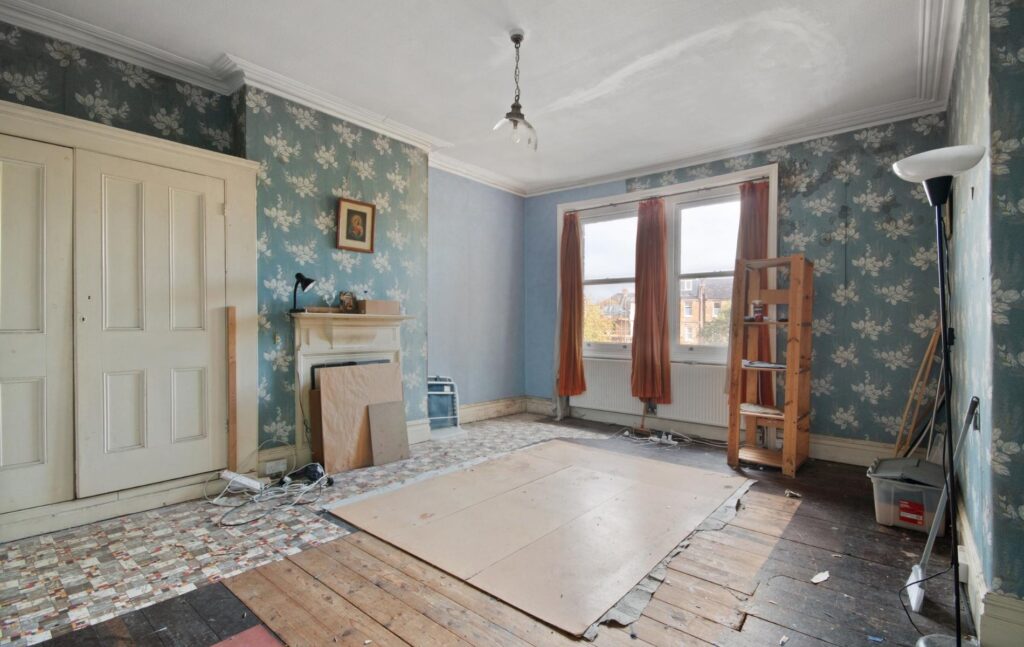
How the process works when buying a probate property
The path from offer to completion follows the same broad shape as any purchase, with a few additional steps and timing considerations.
Marketing
A probate property can be marketed and offers can be accepted before the Grant of Probate has been issued. What cannot happen is exchange of contracts, which has to wait for the Grant.
Offer accepted
The executors choose a buyer based on price, position and how straightforward the buyer appears to be. With multiple beneficiaries, executors may need to consult before agreeing terms.
Probate granted
Once the Grant is issued, the executors have the legal authority to proceed. Conveyancing can complete as normal from this point.
Exchange and completion.
These follow in the usual way that every sale does.
You can check whether probate has already been granted on a particular estate via the gov.uk probate search, which is a quick way to gauge where things stand.
How buying a probate property differs from a standard purchase
A probate purchase shares the bones of any other transaction, but the timing, the parties involved and the available information all behave differently in practice.
Timelines can be longer
Where probate has not yet been granted, applications are currently taking around four months and sometimes longer, depending on the complexity of the estate.
Even where probate is in place, executors are often coordinating with multiple beneficiaries and solicitors, which can add time.
The property is sold as seen
Probate properties are typically sold in their existing condition. This is part of the appeal for buyers looking for a project, but it does mean budgeting realistically for any redecoration, modernisation or larger works.
The Property Information Form may be sparse
Executors often did not live in the property and cannot answer detailed questions about boilers, guarantees, planning history or past repairs.
Expect “not known” answers in places. Your solicitor and surveyor become more important as a result.
Vacant possession and empty homes
Most probate sales are sold with vacant possession and the property may have been unoccupied for some time. Insurance between exchange and completion is worth discussing with your solicitor early.
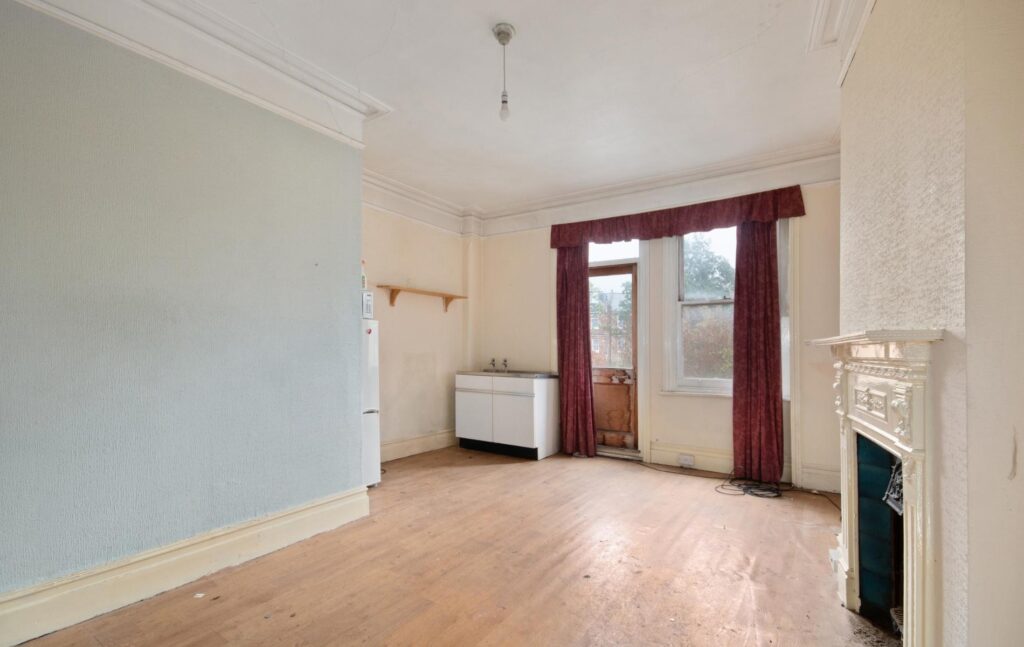
The pros and cons of buying a probate property
The advantages of buying a probate property
Probate properties can be excellent buys for the right person.
- Value: Executors are typically motivated to settle the estate and the condition of the property is reflected in the asking price.
- Less competition: They tend to attract fewer buyers, particularly those who need a turn-key home.
- Character and location: In West London, probate properties are often long-held period houses on established streets, the kind of homes that rarely appear on the open market.
- Renovation potential: A blank canvas to make your own.
The challenges when buying a probate property
There are a few things to go in with your eyes open about.
- Delays: Probate timelines are largely outside the buyer’s control. If you are part of a chain or working to a fixed moving date, this needs careful management.
- Condition: Older systems, dated kitchens and bathrooms, single glazing and the occasional surprise behind the wallpaper are common. A thorough survey is essential.
- Multiple decision makers: Where there are several executors or beneficiaries, decisions on price and negotiation can take longer.
Financing a probate purchase
A mortgage is perfectly possible on a probate property, but timing matters.
Mortgage offers usually have a validity window of three to six months, so where probate has not yet been granted, there is a real risk that an offer expires before contracts can be exchanged.
A fresh application would then be needed.
A few sensible steps:
Get an agreement in principle early so you can move when the time is right.
Tell your broker or lender at the outset that the property is a probate sale, so the timeline can be planned around your offer.
For properties that are uninhabitable or need significant work, a standard residential mortgage may not be available and a specialist lender or bridging finance may be required.
Cash buyers and those without a chain are often well placed in probate sales, where flexibility on timing is genuinely valued.
Surveys and legal advice
A RICS Level 2 or Level 3 survey is strongly recommended on a probate property, even if you are paying cash.
Older homes that have been lived in for decades can hide issues with wiring, roofs, damp and heating systems. The findings can also be a reasonable basis for renegotiation if something significant emerges.
A solicitor experienced in probate will confirm that the seller has the legal right to sell, identify any title issues or unpaid charges and keep things moving if probate paperwork slows down.
It is worth asking your solicitor at the outset whether they have handled probate sales before.
Strengthening your offer
Decisions in probate sales are rarely made on price alone. Executors are often family members managing the sale alongside grief and other estate matters.
Buyers who are organised, communicative and patient stand out.
A few things that genuinely help:
- Have your finances in order, with proof of funds or a mortgage agreement in principle ready.
- Be flexible on timing where probate has not yet been granted.
- Be straightforward in communication. Executors notice buyers who are easy to deal with.
- Where possible, position yourself as chain-free or with a short chain.
A serious, well-prepared buyer will frequently be preferred over a higher offer that comes with uncertainty.
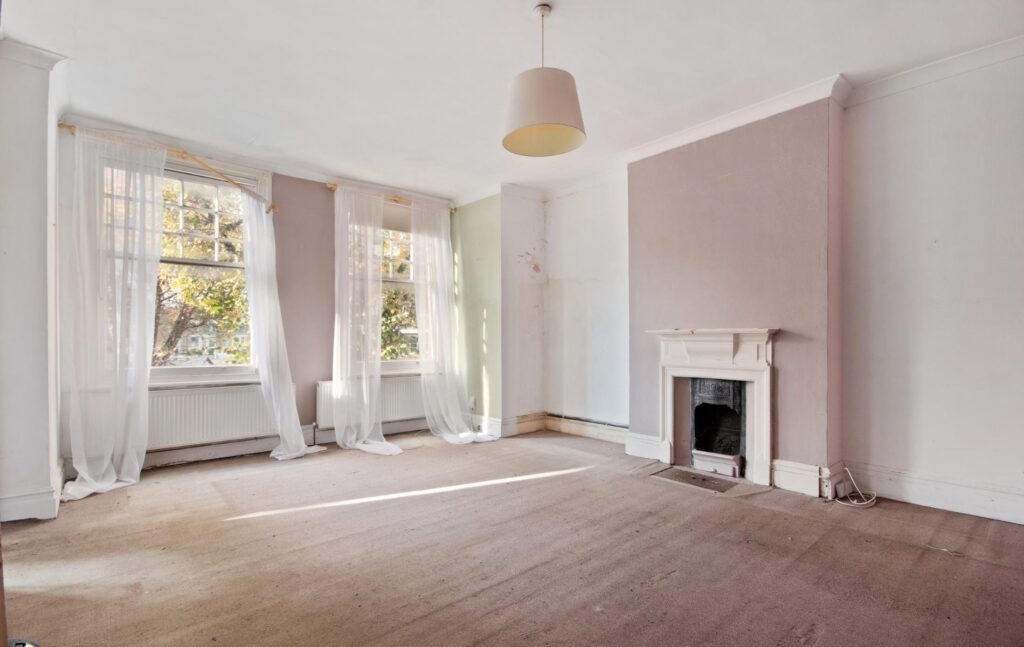
Common mistakes to avoid
Even experienced buyers can underestimate what sits behind a transaction, and the same few mistakes account for most of the problems that surface later.
These are some of the common mistakes to avoid when buying a probate property:
Skipping the survey
Always have the home professionally inspected, particularly where the Property Information Form is sparse.
Underestimating costs
Renovation budgets, legal fees and the carrying costs of a longer timeline all add up.
Assuming speed
Probate purchases tend to be slower than standard sales. Plan accordingly.
Is buying a probate property right for you?
If you are not in a rush, comfortable with a degree of admin and uncertainty and willing to do your homework, a probate property can be a strong choice.
The combination of value, character and the chance to put your own stamp on a long-held West London home is a rare one.
How Horton and Garton can help
We have guided buyers through probate purchases across West London for many years and work closely with executors, solicitors and the wider professional network needed to bring these sales through to completion.
Whether you are searching for a period family home in Brackenbury Village, a flat in Shepherd’s Bush or a house in Chiswick, we can help you understand which probate opportunities are genuinely suitable for your timeline and circumstances.
To discuss your search or register your interest in upcoming probate properties in W4, W6, W12 and the surrounding areas, please get in touch.