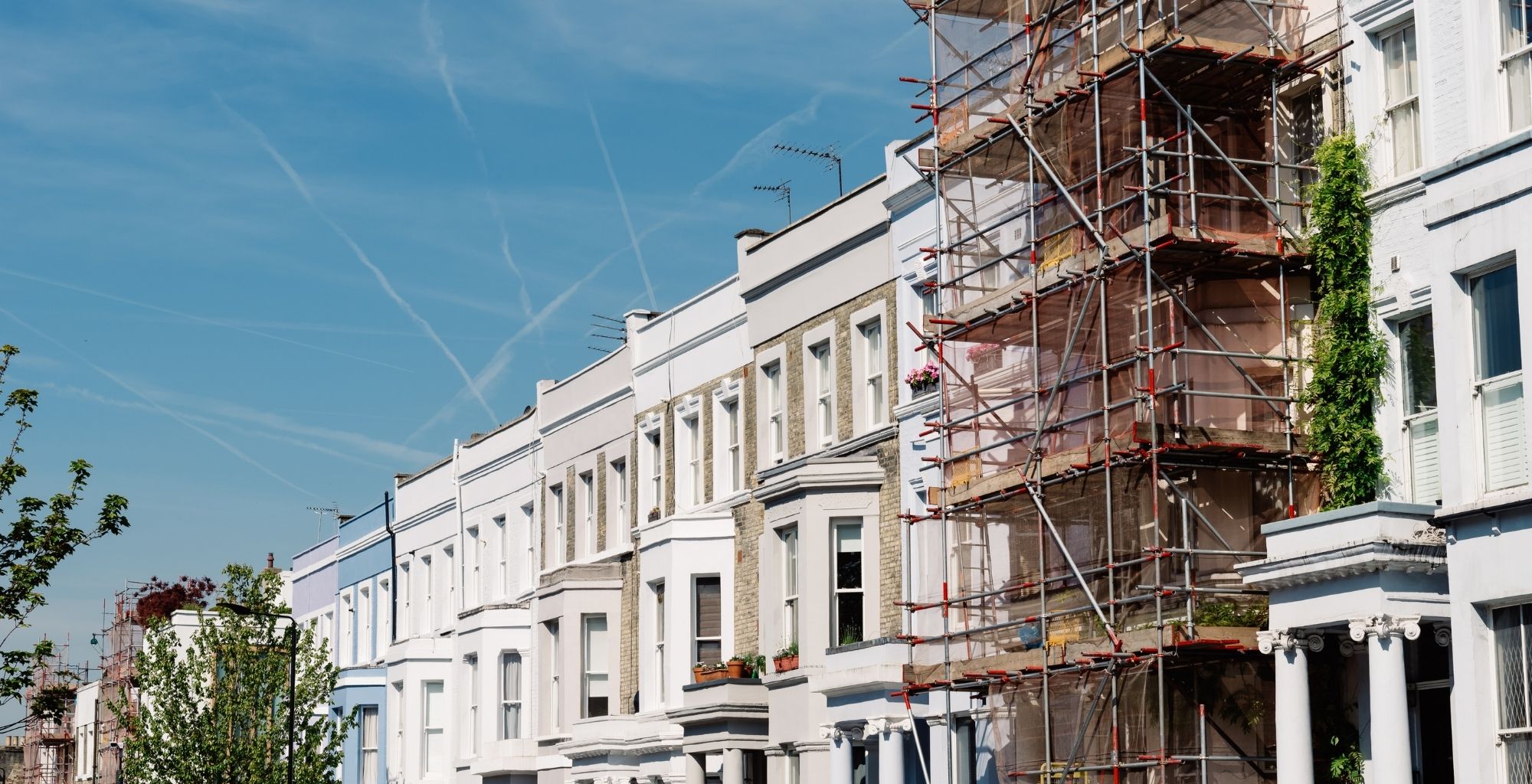
Should you renovate before selling your property? In most cases, no. Full renovations rarely return what they cost. Repairs, presentation and correct pricing almost always do. The exception is any defect that affects a survey, a mortgage offer or a buyer’s confidence, because those cost you far more in negotiation than they cost to fix.
Most homeowners never think about this until they decide to move, and then it becomes the first decision they face. Spend money on the house before it goes to market and hope to get it back, or list it as it is and accept that a buyer will price the work in.
The real answer depends on your house, your street and your timing.
Our West London estate agents can guide those thinking about selling their property who aren’t sure if they should do some updating before putting it on the market.
Is it worth renovating your house before selling?
There’s no one-size-fits-all answer when it comes to whether it’s worth renovating your house before selling. For the most part it depends on what you would class as ‘renovation’.
The answer to the question ‘should you renovate before selling your property?’ is not only unique to each property, but it is also unique to everyone, their circumstances, and their plans.

When renovating before selling is worth it
Renovation earns its cost in a narrow set of circumstances.
A defect will affect a survey or a mortgage valuation. Damp, roof leaks, unsafe electrics, failed glazing and structural movement all sit here.
Your home falls below the norm for your street on something buyers treat as standard. On a road of modernised family houses, a genuinely unusable kitchen is a problem. On a road of projects, it is not.
You can finish the work before marketing without pushing your launch into a slower window.
Local sold prices support the uplift. Not your hopes for the uplift. The evidence.
Say your home is in fair condition throughout but the bathroom is tired. A mid specification bathroom in West London typically costs somewhere between £8,000 and £15,000 to replace, because London trade rates sit well above the national average and period properties tend to reveal extra work once the strip out begins. Now consider what the buyer does with that. They will not deduct the cost. They will deduct the cost plus a premium for the disruption of living through it, and that figure is often half as much again. That gap is the whole argument for fixing it. It is also the whole argument for leaving it, if the gap runs the other way. Figures move, so treat these as indicative and get quotes. The relationship between them does not move.
If you cannot tick most of those, the money is usually better kept.
When to sell as it is
In homes that have been lived in for many years, the entire property may need renovating throughout. Unless you’re a developer with experience and a sizeable pot of money to pour into a whole house renovation, it might not be worth renovating your house before selling.
Selling without renovating protects your position when the work needed is substantial and a buyer would want to make their own decisions anyway, when speed and certainty matter more to you than the headline figure, when your property already sits near the ceiling price for the street, or when your likely buyer is a developer who will discount your finish regardless of what you spent on it.
There is a further point sellers rarely hear. Work completed immediately before a sale does not capture its full value, because buyers and surveyors discount very recent renovations on the basis that defects have not had time to appear. If you are selling within a few months, a modest cosmetic refresh will usually return more than a full refit.
The jobs worth doing before any sale
It is often the case that there are small defects and problems. Fixing these shows potential buyers that the house has been well cared for. We’ve pulled together a list of those places we’d suggest you focus some attention on before selling your property:
- Fix any leaking taps
- Redecorate scuff marks or peeling paint
- Fill, sand, and redecorate any small cracks
- Fix loose tiles or floorboards
- Oil squeaky hinges
- Dirty grout and mouldy sealant should be fixed
Buyers do not itemise these. They form an impression, and the impression is either that the house has been looked after or that something else has been ignored.
From experience, it’s also a good idea to have a deep clean before bringing your property to the market. Also, small cosmetic changes can make all the difference.
If budget is an issue, you can rejuvenate key areas in your home for a relatively low cost:
Add a lick of paint
Painting your walls in neutral colours can significantly revitalise your home’s appearance. Not only will this create a clean and fresh look, but it will give the impression of light and space. The neutral look will appeal to a wider range of buyers by providing a blank canvas.

Give your kitchen a facelift
While a full kitchen remodel might be expensive, minor upgrades such as painting cabinets or replacing cupboard handles and doors can be cost-effective alternatives. Additionally, ensuring good lighting and maintaining clutter-free, clean surfaces can make a substantial impact.
Refresh your bathrooms
In bathrooms, consider re-grouting, removing limescale, and replacing taps. Fresh, hygienic-looking bathrooms are crucial, so painting the walls in a neutral shade and adding a new shower head, shower curtain or a standard glass screen can be beneficial.
Make a good first impression
Ensure your front door appears well-maintained by giving it a thorough jet wash or a fresh coat of paint. Small updates, like new door furniture or a contemporary house number, can also make a noticeable difference. Tidying your front garden and maybe introducing some flower pots will further add to your home’s kerb appeal.

What rarely pays back
The most common expensive mistake West London sellers make is over improving. Every street has a ceiling price and no specification pushes a house through it.
Work that tends to disappoint: luxury finishes in a mid market home, where a very expensive kitchen and a sensible one add roughly the same value unless the property sits at the top of its local market. Highly personal design choices, which narrow your buyer pool. Converting a bedroom into a bathroom, office or dressing room, which moves the house into a lower category. Visible DIY, which buyers and surveyors read as a warning about what they cannot see. Smart technology, which surveyors do not price.
Serious issues that need fixing
If your property is found to have serious issues such as structural defects, it might in fact become impossible for potential buyers to gain lending on your property from a mortgage provider.
A property that is not mortgageable is tricky to sell as only cash buyers can bid. They’ll likely know that you can only sell to them due to the condition meaning you might not get a premium price for your property.
Structural issues that should be fixed as a priority when selling include:
- Subsidence
- Rising damp
- A leaking roof or missing tiles
- Structural cracks
- Bowing walls
- Insect infestations such as woodworm
- Rotten joists
- Unsafe or outdated electrics
Some of the issues might be included in your building’s insurance cover. It is therefore worth looking at your paperwork and giving them a call.
Energy efficiency and your EPC
Buyers arrive already knowing your rating, because it sits on the listing. Running costs have made it something they look at rather than scroll past, and lenders increasingly factor it into decisions. Efficient homes command a premium over comparable properties rated several bands lower.
You are unlikely to recover the cost of a heat pump installed purely to sell. Loft insulation, draught proofing, heating controls and addressing failed double glazing are modest jobs that remove a line of objection. In West London’s period stock, where solid walls make higher bands genuinely hard to reach, being honest about the rating and what could realistically be improved is more effective than trying to fix it in the weeks before launch.
Timing matters as much as budget
Work backwards from the date you want to be on the market. Allow for lead times, installation, drying, snagging and a professional clean. Kitchens and bathrooms overrun more often than they run to plan, because they depend on multiple trades and long lead items. Hold back ten to fifteen per cent of your budget as contingency, because period properties here routinely turn up something behind the plaster.
Then ask the question honestly. If the work slips by six weeks, does that push you into a quieter selling window? Arriving late and unfinished is worse than arriving on time and unrenovated.
Can you sell a house that needs renovation?
Yes, you can absolutely sell a house that needs renovation. Depending on the scale of the works required you might only be able to sell to certain buyers.
The strategy for selling a home that needs renovation is often different to ensure a seller achieves the best possible price for the property.

Frequently asked questions
Should I renovate my kitchen before selling?
Usually not fully. A cosmetic update, meaning doors, handles, worktop, lighting and paint, delivers most of the visual gain for a fraction of the cost. A full refit only makes sense if the kitchen is genuinely unusable, or the property sits at the top of its local market where a high specification kitchen is expected.
Do renovations increase property value?
Some do, rarely by as much as they cost. Improvements that change a property’s category, such as adding a bedroom, move it into a higher bracket. Improvements that only raise the specification within its existing category tend to return less than the outlay.
What should I fix before selling my house?
Anything a survey will flag and anything that reads as neglect. Leaks, damp, unsafe electrics, cracked plaster, failed sealant, tired paintwork. These are repairs rather than renovations and they consistently return more than they cost.
Can I sell my house without doing any work at all?
Yes. Correct pricing and good presentation matter far more than a recent refurbishment. A clean, tidy, well photographed home priced against its actual competition will outperform a renovated one priced against a market that has moved.
How much does a new bathroom cost in West London?
Between roughly £8,000 and £15,000 for a mid specification renovation. London trade rates sit well above the national average and older properties frequently reveal additional work once the strip out begins. Treat any published figure as indicative and get quotes.
Will my EPC rating affect my sale?
It increasingly does. Buyers see the rating on the listing and factor running costs into what they will pay. Efficient homes command a premium over comparable properties rated lower, and lenders are paying more attention to it than they were.
Planning to sell?
There is no answer to this question that works for every property, because there isn’t one. There is an answer for your house, on your street, in this market.
Invite us to look at it. We will tell you honestly what we would spend money on, what we would leave alone and what we think it is worth as it stands. That conversation costs nothing and it is a great deal cheaper than a kitchen you did not need.
The calculation is different if you are letting rather than selling, because you are weighing rental value, void periods and tenant demand rather than a single sale price. Our lettings team can advise on what actually moves rental value in Chiswick, Hammersmith and Shepherd’s Bush, and what tenants here disregard.
So, should you renovate before selling your property? Book a valuation and we will tell you.